
 Jane
Jane

Smart homes are becoming more common as connected devices make everyday routines easier and more efficient. Lights, thermostats, cameras, speakers, and even appliances can now be controlled from a single phone. Because of this shift, many people are searching for the best smart home apps that bring everything together in one place.
The best smart home apps allow homeowners to manage devices, automate routines, monitor security, and even reduce energy use. Instead of juggling several separate apps for each device brand, these platforms create a central hub that connects everything in a simple dashboard.
Recent tech reviews and consumer reports highlight how smart home software continues to evolve. Many apps now support voice control, automation rules, and cross-brand compatibility. Some also include artificial intelligence that learns daily habits and adjusts lighting, climate, and security automatically.
This guide explores the most trusted and widely used smart home apps that can help control an entire household. Each platform listed below is a real, verified product that is widely available on major mobile platforms and commonly used with modern smart home systems.
Why Smart Home Apps Are Becoming Essential
Smart home devices have expanded far beyond smart speakers and light bulbs. Many households now include connected thermostats, video doorbells, robot vacuums, garage door controllers, smart locks, and indoor cameras.
Managing each device through a separate app can quickly become confusing. This is where centralized smart home apps play an important role. They allow users to group devices, build routines, and automate everyday tasks.
For example, a simple morning routine could turn on the lights, start a coffee maker, adjust the thermostat, and read out the weather forecast through a smart speaker. A nighttime routine could lock doors, turn off lights, and activate security cameras automatically.
The ability to control everything from one dashboard is why smart home software has become such an important part of connected living.
What Makes The Best Smart Home Apps Stand Out
Not all smart home apps are built the same. Some are designed for a single ecosystem, while others support many device brands.
The best smart home apps typically share several important features.
Broad Device Compatibility
A good smart home platform works with devices from different manufacturers. This allows lights, cameras, speakers, and thermostats to work together in one system.
Easy Automation
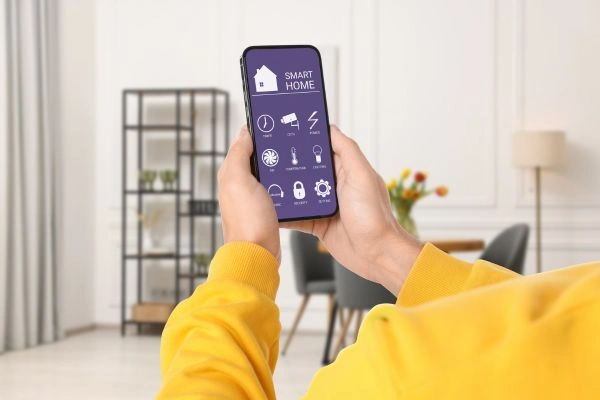
Automation tools help create routines that run automatically. For example, lights can turn on when motion is detected or a thermostat can adjust based on the time of day.
Voice Assistant Integration
Many smart home apps connect to voice assistants such as Alexa, Google Assistant, or Siri. This makes it easy to control devices using simple voice commands.
User-Friendly Interface
A clear dashboard and simple controls make daily use much easier. Good apps allow users to quickly view device status and adjust settings without digging through complicated menus.
10 Best Smart Home Apps To Control Your Entire House
The following apps are widely recognized in the smart home industry and are actively used by millions of households. Each one has been verified as a legitimate platform designed for controlling smart devices.
1. Google Home
The Google Home app is one of the most popular smart home control platforms available today. It works with thousands of devices and integrates tightly with Google Assistant.
Users can control smart lights, speakers, thermostats, cameras, and more through a simple interface. Automation features allow routines such as turning off lights and locking doors when leaving the house.
Google Home also supports multi-room audio, allowing music to play across different speakers throughout the house. Its strong device compatibility makes it one of the best choices for a unified smart home experience.
2. Apple Home
Apple Home, also known as Apple HomeKit, is designed specifically for Apple devices. The app allows iPhone, iPad, and Mac users to control compatible smart home products from a single dashboard. Security and privacy are major strengths of this platform. Apple places strict requirements on manufacturers that want their devices to work with HomeKit.
Scenes and automations allow users to trigger multiple actions at once. For example, a “Good Night” scene can dim lights, lower the thermostat, and lock doors simultaneously.
3. Amazon Alexa
The Amazon Alexa app is widely used with Echo smart speakers, but it also supports a large number of third-party smart home devices. Users can create routines that automate everyday actions, such as turning on lights at sunset or activating security cameras when leaving the house.
Alexa also allows voice control for entertainment systems, smart appliances, and home security devices. Because of its huge ecosystem of compatible devices, it remains one of the most versatile smart home platforms.
4. Samsung SmartThings
Samsung SmartThings is a powerful platform designed to connect devices from many different brands. It supports lights, locks, sensors, thermostats, and appliances from hundreds of manufacturers. The app allows users to create complex automation routines based on motion detection, location, or time schedules.
SmartThings also works well with Samsung appliances such as refrigerators, washing machines, and televisions. For households with a wide mix of smart devices, this app offers strong flexibility.
5. Home Assistant
Home Assistant is an open-source smart home platform that has gained strong popularity among technology enthusiasts. The app allows users to connect thousands of smart home devices through community integrations. Because it runs locally on a server or small computer, it provides greater privacy and control.
Home Assistant is highly customizable and allows advanced automation rules that go beyond what most standard apps provide.
6. Tuya Smart
Tuya Smart powers a huge number of affordable smart devices sold around the world. Many budget smart plugs, lights, and switches use Tuya technology. The Tuya Smart app allows users to control these devices from one dashboard. Automation features make it possible to build routines that connect multiple products.
Because of its widespread device support, Tuya Smart is often used in homes with lower-cost smart gadgets.
7. Smart Life
The Smart Life app is closely related to Tuya Smart and is used by many smart device brands. Users can control lighting, plugs, sensors, and home security products through a single interface. Voice assistant integration allows the app to work with both Alexa and Google Assistant.
Its easy setup process makes it popular for beginners who are building their first smart home.
8. Hubitat
Hubitat is designed for users who want powerful automation without relying heavily on cloud services. The platform runs locally through a Hubitat hub, which allows devices to communicate directly within the home network. This reduces delays and keeps many automations working even without internet access.
Hubitat supports a wide range of devices and provides detailed automation options that appeal to advanced users.
9. Homey
Developed by the Dutch company Athom, Homey is a comprehensive smart home platform. It is known for its colorful interface and wide device compatibility. The Homey app allows users to create visual automation flows that connect devices and services. These flows make it easy to build routines without complicated programming.
Homey also integrates with entertainment services, lighting systems, and home security products.
10. IFTTT
IFTTT, which stands for “If This Then That,” is a unique automation app that connects smart devices with online services. It allows users to create rules that trigger actions between different platforms. For example, a motion sensor could automatically send a phone notification or turn on a security camera.
Although it is not a traditional smart home controller, IFTTT adds powerful automation possibilities to many connected devices.
How Smart Home Apps Improve Everyday Living
The appeal of smart home technology goes beyond convenience. These systems can improve security, reduce energy consumption, and simplify daily routines.
Smart lighting systems can automatically switch off when a room is empty. Smart thermostats can adjust temperatures based on occupancy or weather forecasts.
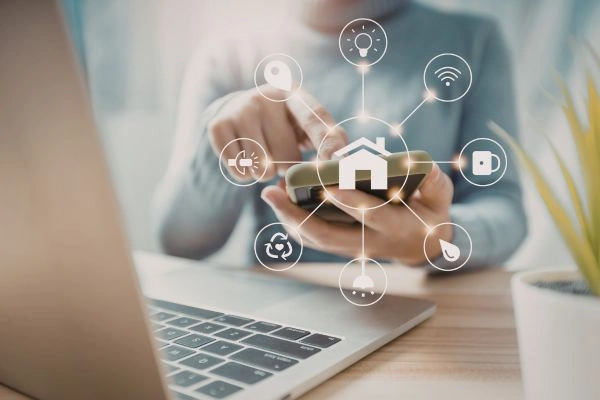
Security cameras and smart doorbells allow homeowners to monitor their property from anywhere. Real-time notifications provide alerts when motion is detected or when doors are opened.
Voice control brings greater ease of use to smart home systems. Instead of using switches or remotes, simple voice commands can control lighting, music, and temperature.
How To Choose The Best Smart Home Apps For Your Setup
Selecting the right smart home platform depends on several factors. Each household has different devices, preferences, and automation needs.
Check Device Compatibility
Before choosing a smart home app, it is important to confirm that it supports existing devices. Some platforms work best with specific brands or ecosystems. For example, Apple Home works best with HomeKit-certified devices, while SmartThings and Google Home support a wider range of manufacturers.
Consider Voice Assistant Support
Many households rely on voice assistants for convenience. Checking whether an app supports Alexa, Google Assistant, or Siri can help ensure smooth integration. Voice commands are often the easiest way to control smart home devices.
Evaluate Automation Features
Automation capabilities can vary widely between platforms. Some apps offer simple routines, while others allow complex rules based on sensors, location, or schedules. Homes with many devices may benefit from apps that offer advanced automation options.
Think About Privacy And Security
Security is an important factor in any connected home. Some apps rely heavily on cloud services, while others allow more local control. Platforms that support local processing can reduce data sharing and improve response speed.
Smart Home Trends Shaping The Industry
Smart home technology continues to evolve as new devices and standards enter the market. One of the most significant developments is the adoption of the Matter connectivity standard. Matter allows smart devices from different manufacturers to communicate more easily across ecosystems.
This new standard is expected to reduce compatibility issues and make it easier to build a unified smart home. Artificial intelligence is also becoming a major part of smart home systems. Some apps now learn user habits and automatically adjust lighting, climate, and security settings.
Energy efficiency is another growing focus. Smart home apps increasingly provide insights that help homeowners track electricity usage and optimize appliance schedules.
Are Smart Home Apps Worth Using
For households with multiple connected devices, smart home apps can dramatically simplify daily life. Instead of managing separate apps for lights, thermostats, cameras, and appliances, a single platform can control everything in one place.
Automation also minimizes the need for hands-on control. Routines can handle many tasks automatically, saving time and improving comfort. As smart home devices continue to grow in popularity, centralized control apps are becoming an essential part of modern homes.
Final Thoughts On The Best Smart Home Apps
The smart home landscape is expanding quickly as more devices become connected and easier to manage. Choosing the best smart home apps can transform a collection of gadgets into a coordinated system that improves convenience, security, and energy efficiency.
Platforms like Google Home, Apple Home, Amazon Alexa, and Samsung SmartThings continue to lead the industry with wide compatibility and strong automation tools. Other options, such as Home Assistant, Hubitat, and Homey, offer powerful customization for users who want deeper control.
As technology continues to evolve, smart home apps will play an even larger role in how households manage lighting, climate, security, and entertainment. The right app can turn everyday routines into seamless automated experiences, making the connected home easier to manage than ever before.